
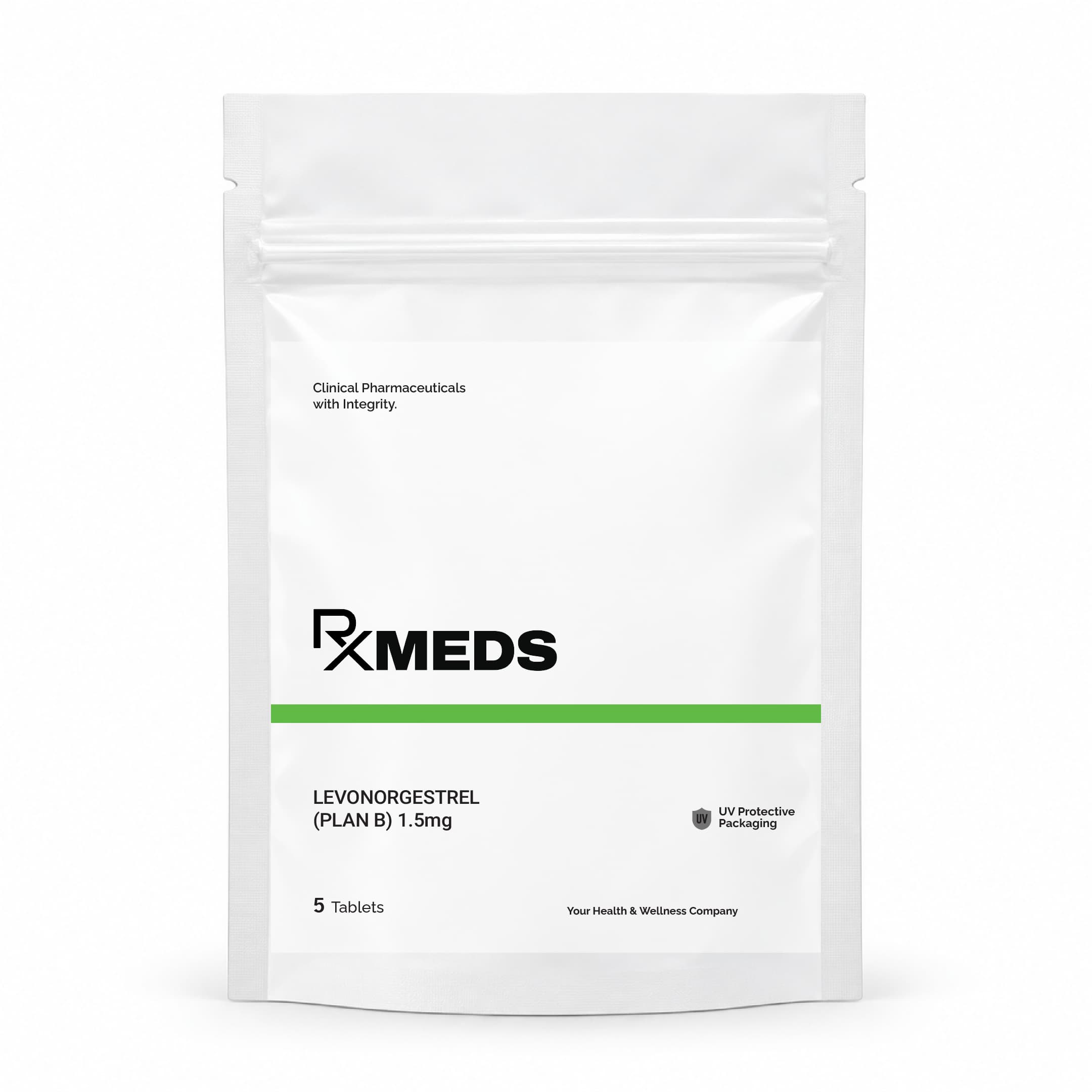
Levonorgestrel (Plan B)
Levonorgestrel (Plan B), available without a prescription on any pharmacy shelf, has given millions of women a backup option after unprotected sex. Plan B became a household name, and its over-the-counter status set it apart from most other emergency contraceptives.
From Prescription-Only to Pharmacy Shelf
Regulators originally restricted this medication to prescription-only status after its approval, requiring a doctor’s visit before access. Following years of advocacy and research demonstrating its safety profile, the FDA eventually approved it for over-the-counter sale without age restrictions in 2013. That shift marked a significant change in reproductive healthcare access, removing a barrier that previously delayed treatment for many women.
How It Prevents Pregnancy
This medication works primarily by delaying or preventing ovulation, stopping the ovary from releasing an egg that sperm could fertilize. It may also thicken cervical mucus, making it harder for sperm to reach an egg if ovulation has already occurred. Because pregnancy requires ovulation to happen first, interrupting that process before it starts explains most of the medication’s effectiveness.
Timing Matters Significantly
Doctors recommend taking this medication as soon as possible after unprotected sex, ideally within 72 hours, though some effectiveness remains up to 120 hours. Effectiveness decreases notably the longer someone waits, dropping from roughly 95% effectiveness within 24 hours to considerably lower rates by the third day. This time-sensitive window explains why speed matters more with this medication than with some alternatives like Ella.
Who This Option Works Best For
This medication works well for most patients, though research suggests its effectiveness may decrease for patients with a higher body weight, particularly above certain thresholds. Patients with a higher BMI might consider discussing alternatives like Ella with a pharmacist or doctor, since that option maintains more consistent effectiveness across different body weights. Its over-the-counter availability still makes it the fastest option to access for most people, regardless of these considerations.
Safety and Side Effects
Reported side effects include nausea, fatigue, headache, and changes to the next menstrual period’s timing, generally mild and temporary. It won’t terminate an existing pregnancy and isn’t intended for routine contraception, functioning strictly as a backup method after unprotected sex or contraceptive failure. Patients already pregnant shouldn’t take it, since it offers no benefit in that situation.
FAQ
How soon after unprotected sex should Plan B be taken?
As soon as possible, ideally within 72 hours, though some effectiveness remains up to 120 hours.
Can anyone buy this without a prescription?
Yes. The FDA approved it for over-the-counter sale without age restrictions in 2013.
Does body weight affect how well it works?
Research suggests effectiveness may decrease at higher body weights, with alternatives like Ella potentially working more consistently in those cases.
Will it end an existing pregnancy?
No. It only prevents pregnancy from occurring and has no effect if a pregnancy has already begun.
What are the most common side effects?
Nausea, fatigue, headache, and changes to the timing of the next period rank among the most frequently reported.
For more information, visit us at Research Health Co.
Be the first to review “Levonorgestrel (Plan B) 1.5mg: Emergency Contraception Guide”
Related products
Reviews
There are no reviews yet.