
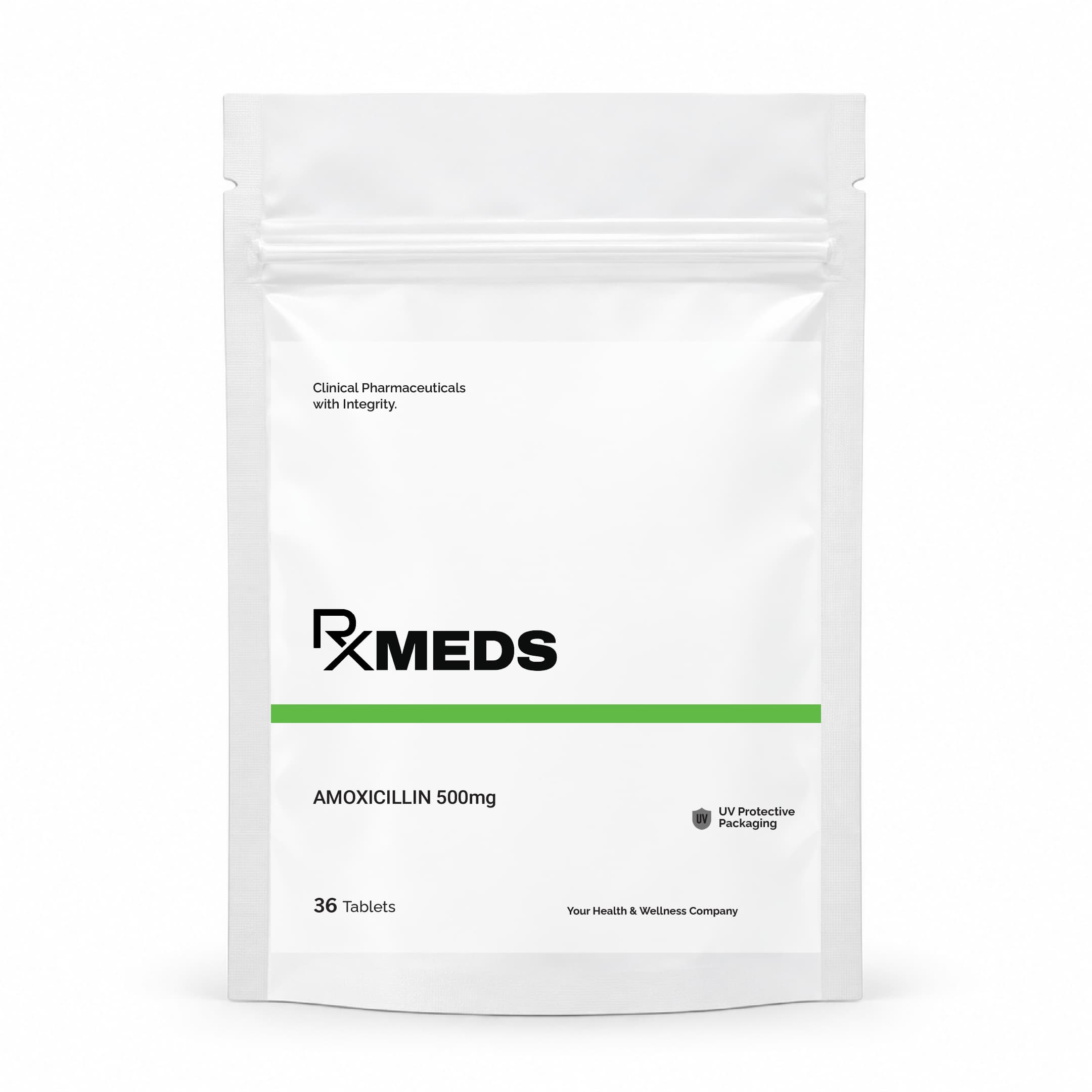
Amoxicillin 500mg
Few antibiotics have earned a place in medicine cabinets quite like Amoxicillin . It’s often the first option doctors reach for when treating common bacterial infections, thanks to decades of reliable use and a relatively gentle side effect profile.
A Trusted Member of the Penicillin Family
Researchers developed this medication as an improved version of penicillin. They aimed to create something that worked against a broader range of bacteria. Scientists also wanted a drug the body could absorb well when taken orally. That combination made it one of the most prescribed antibiotics worldwide, valued for treating everyday infections without requiring hospital visits or injections.
Amoxicillin How It Destroys Bacteria
This medication works by interfering with the construction of bacterial cell walls. Growing bacteria need to build new cell wall material constantly. This medication blocks that process. Without a properly formed cell wall, bacteria can’t survive, and the infection gradually clears. Since human cells don’t have cell walls, this mechanism targets bacteria specifically, sparing healthy tissue.
What a 500mg Dose Treats
Doctors prescribe this strength for a wide range of infections. Common uses include ear infections, strep throat, sinus infections, and urinary tract infections. It’s also used for certain skin infections and some types of pneumonia. Patients typically take it two or three times daily, with treatment lasting anywhere from five to ten days depending on the infection.
Use for Certain STDs
Doctors sometimes prescribe this medication for specific bacterial sexually transmitted infections, most notably chlamydia during pregnancy, when other first-line antibiotics aren’t suitable. It works the same way here as with any bacterial infection, blocking cell wall construction until the bacteria die off. It’s generally considered an alternative option rather than a first choice for most STDs, since medications like azithromycin or doxycycline typically work faster for these specific infections. Doctors choose the right option based on the infection, patient history, and any contraindications to standard treatments.
Why Doctors Often Choose This First
This medication tends to cause fewer side effects than many other antibiotics, making it a comfortable starting point for common infections. Its long track record also means doctors have a clear understanding of how it performs across different patient groups, including children. These factors combine to keep it a frequent first choice before moving to broader-spectrum options if needed.
Important Precautions
Patients with a penicillin allergy must avoid this medication entirely, since it belongs to the same drug family and can trigger a similar allergic reaction. Doctors also advise completing the full prescribed course, even after symptoms improve, to prevent the infection from returning. Taking it with food can help reduce stomach upset for patients who find it irritating on an empty stomach.
Safety and Side Effects
Reported side effects include nausea, diarrhea, and stomach upset, generally mild and temporary for most patients. Allergic reactions, ranging from mild rash to more serious symptoms, remain an important risk to watch for, especially during the first course of treatment. Patients should contact their doctor immediately if they notice swelling, difficulty breathing, or severe rash while taking this medication.
FAQ
What infections does Amoxicillin 500mg treat?
Doctors prescribe it for ear infections, strep throat, sinus infections, UTIs, certain skin infections, and specific STDs.
How does this medication kill bacteria?
It blocks bacteria from building their cell walls, causing the bacteria to die off as the infection clears.
Can this medication treat STDs?
Yes, it’s sometimes used for chlamydia, particularly during pregnancy, though other antibiotics are usually the first choice.
Can people with a penicillin allergy take this medication?
No. It belongs to the penicillin family and can trigger a similar allergic reaction.
Does food affect how this medication works?
Taking it with food can reduce stomach upset for patients sensitive to it on an empty stomach.
Be the first to review “Amoxicillin 500mg: Antibiotic Treatment Guide”
Related products
Med Care
Reviews
There are no reviews yet.