
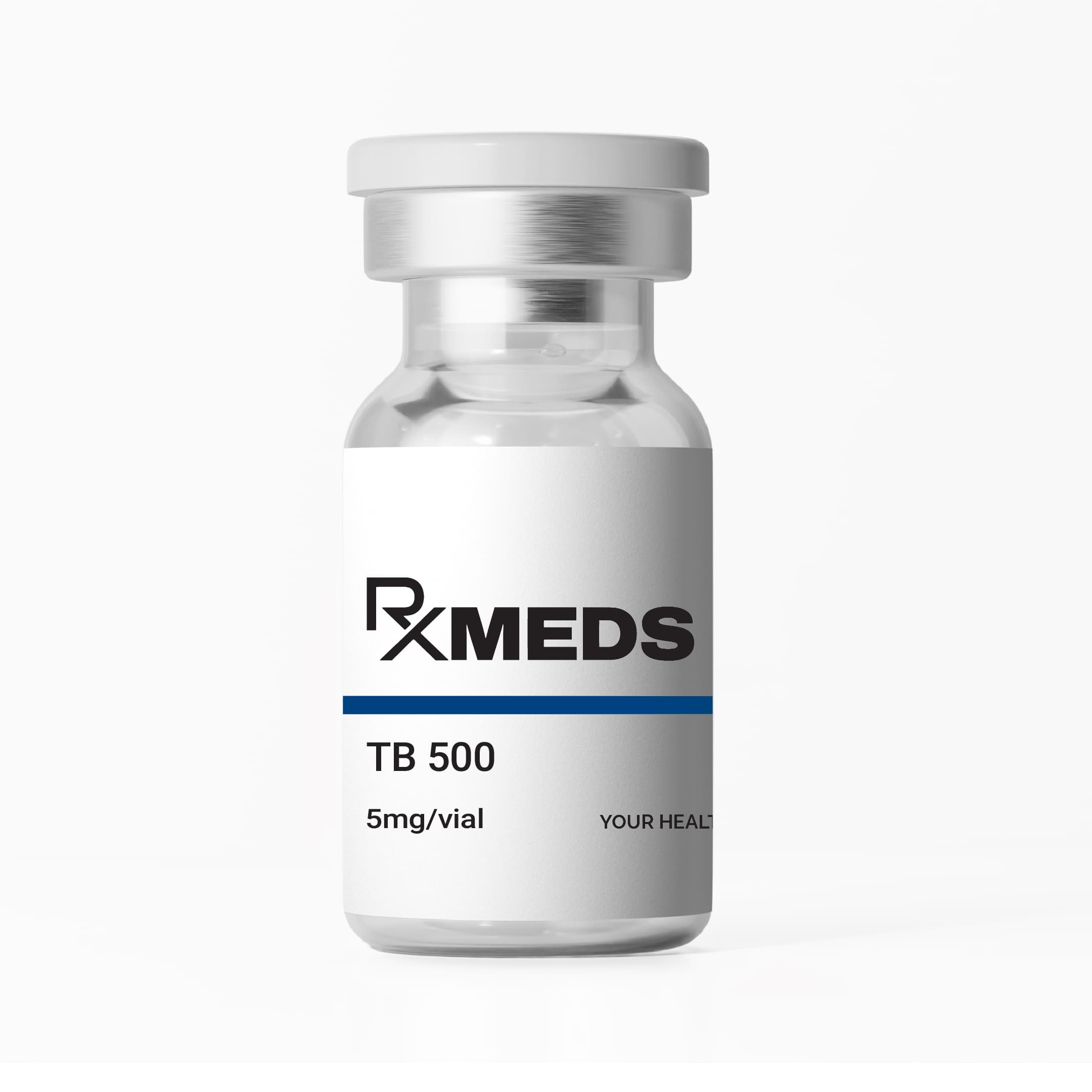
TB-500 5mg
Healing has always fascinated researchers, especially when it comes to recovering from injury faster. TB-500 5mg, This peptide emerged from that curiosity, drawing attention for its potential role in supporting tissue repair throughout the body.
A Peptide Rooted in Natural Healing
Scientists first identified this peptide as a synthetic version of a naturally occurring protein fragment found in nearly all human and animal cells. Specifically, that naturally occurring protein plays a role in wound healing and cell movement throughout the body. Because of its natural origins, researchers became interested in studying whether a synthetic version could support similar repair processes more directly. As a result, this peptide gained traction in recovery-focused research communities over the past two decades.
How It May Support Tissue Repair
This peptide works primarily by promoting the migration of cells to areas of injury. In turn, that helps new blood vessels form and supports the repair of damaged tissue. Additionally, researchers believe it may reduce inflammation at injury sites, which can further support the healing process. Together, these mechanisms explain why it draws interest in research focused on muscle, tendon, and ligament recovery.
What a 5mg Dose Involves
In research settings, this strength typically gets reconstituted with bacteriostatic water before use. Researchers commonly administer it through subcutaneous injection, often following a loading phase with more frequent dosing. Afterward, many research protocols shift to a lower maintenance frequency once initial research goals are met. Because individual research protocols vary widely, dosing schedules differ significantly across different studies and applications.
Why It Draws Interest in Recovery Research
Unlike many other peptides focused on muscle growth, this one centers specifically on repair and recovery, from soft tissue injuries to more general research on healing speed. For that reason, it attracts particular interest among researchers studying athletic recovery and injury rehabilitation. Importantly, this peptide remains intended strictly for laboratory and research purposes, without FDA approval for human therapeutic use.
Safety and Research Considerations
Reported effects in research settings include temporary flushing, mild fatigue, and headache following administration. Because this peptide lacks FDA approval, no established human dosing guidelines or long-term safety data currently exist. Therefore, researchers should always follow proper laboratory handling and storage protocols, including refrigeration after reconstitution.
FAQ
What is TB-500 studied for?
Researchers study it mainly for its potential role in supporting tissue repair and recovery.
How does this peptide work?
It’s believed to promote cell migration to injury sites and support new blood vessel formation.
Is TB-500 approved for human use?
No. It remains strictly for laboratory and research purposes, without FDA approval.
How should a 5mg vial be handled?
Researchers typically reconstitute it with bacteriostatic water and store it refrigerated afterward.
Why does this peptide interest recovery researchers specifically?
It focuses on repair and healing rather than muscle growth, drawing interest in injury rehabilitation research.
For more research products, visit us at Research Health Co.
Be the first to review “TB-500 5mg: Tissue Repair Peptide Guide”
Related products
Reviews
There are no reviews yet.