
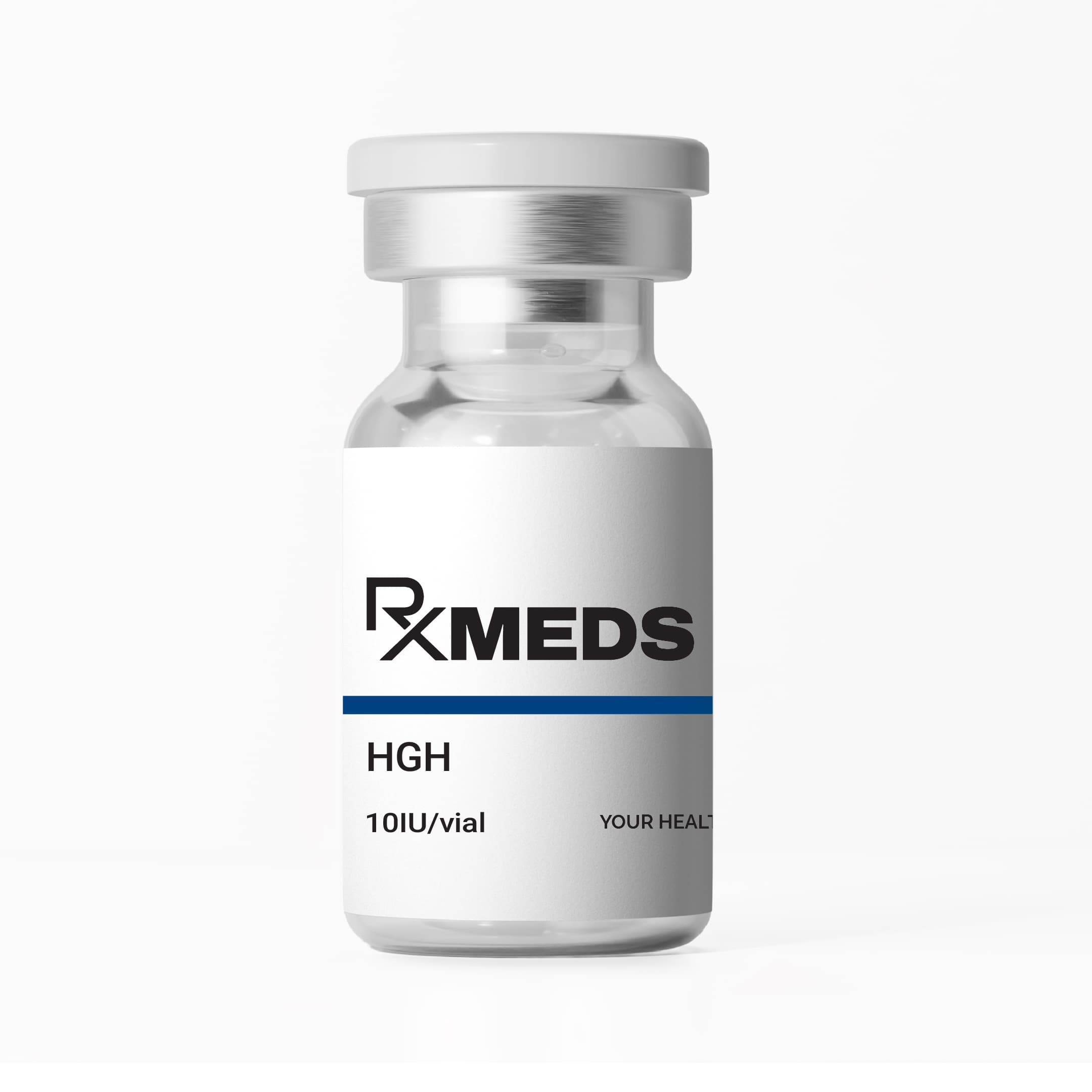
HGH
Few hormones carry as much mythology as human growth hormone (HGH ). Athletes chase it, anti-aging clinics market it, and researchers have spent decades trying to separate the genuine science from the hype surrounding this single pituitary hormone.
What This Hormone Actually Does
Your pituitary gland naturally produces growth hormone, releasing it in pulses, mostly during deep sleep. It drives growth during childhood and adolescence, then shifts roles in adulthood, supporting metabolism, muscle maintenance, and tissue repair. Production naturally declines with age, a trend researchers often point to when explaining interest in supplementation among older adults.
Breaking Down the 100iu Vial
Suppliers typically package this hormone as a freeze-dried powder in multi-dose vials, with 100iu representing a larger quantity suited for extended research protocols. Researchers reconstitute the powder with bacteriostatic water, then administer it via subcutaneous injection, usually timed before bed to align with the body’s natural release pattern. Because 100iu spans many individual doses, this format works well for longer studies that would otherwise require frequent vial changes.
Where the Research Interest Lies
Clinical use for diagnosed growth hormone deficiency represents the only FDA-approved application, typically under brand names like Genotropin or Norditropin. Beyond that approved use, researchers and off-label users explore its effects on muscle mass, fat metabolism, and recovery from injury. Some studies link growth hormone to improved bone density and skin elasticity, though much of that evidence comes from populations with diagnosed deficiency rather than otherwise healthy adults.
Side Effects Worth Understanding
Reported effects include joint pain, fluid retention, and carpal tunnel-like symptoms, particularly at doses higher than what the body naturally produces. Long-term use raises additional concerns, including insulin resistance and potential effects on organ growth, since the hormone drives cellular proliferation broadly rather than in one specific area. Researchers continue monitoring these risks closely, especially in populations using it outside diagnosed medical need.
Regulatory and Legal Standing
The FDA has approved growth hormone specifically for diagnosed deficiencies and a handful of other medical conditions.
FAQ
What does a 100iu HGH vial contain?
A freeze-dried powder requiring reconstitution with bacteriostatic water, formulated as a multi-dose supply for extended use.
What is HGH approved to treat?
The FDA has approved it specifically for diagnosed growth hormone deficiency and certain other medical conditions..
Why do people use it outside approved conditions?
Some explore its effects on muscle mass, fat metabolism, and recovery, though this falls outside FDA-approved use.
What side effects are commonly reported?
Joint pain, fluid retention, and carpal tunnel-like symptoms appear frequently, especially at higher doses..
Be the first to review “HGH 100iu: Growth Hormone Research Guide”
Related products
Peptides
Peptides
Reviews
There are no reviews yet.