
GHK-Cu
A small tripeptide, naturally present in human plasma, saliva, and urine, quietly declines as you age. Researchers noticed this drop decades ago and began investigating whether restoring it could reverse some of the visible signs of aging. That peptide, GHK-Cu, has since become one of the most studied compounds in skin and wound healing research.
A Peptide Discovered by Accident
Scientists first identified this copper-binding peptide in the 1970s. They were studying why older human plasma stimulated less liver cell growth than younger plasma in lab experiments. That observation led researchers to isolate the peptide responsible, eventually revealing its tight binding affinity for copper ions. This copper-peptide complex turned out to influence a surprisingly wide range of biological processes tied to tissue repair.
How Copper Binding Drives Its Effects
This peptide’s defining feature lies in how tightly it binds copper, a mineral essential for numerous enzymatic processes in the body. Once bound, the complex activates pathways involved in collagen and elastin production, wound healing, and antioxidant defense. Researchers believe this copper delivery mechanism explains much of the peptide’s regenerative reputation. Copper plays a direct role in enzymes responsible for tissue remodeling.
Working With a 50mg Vial
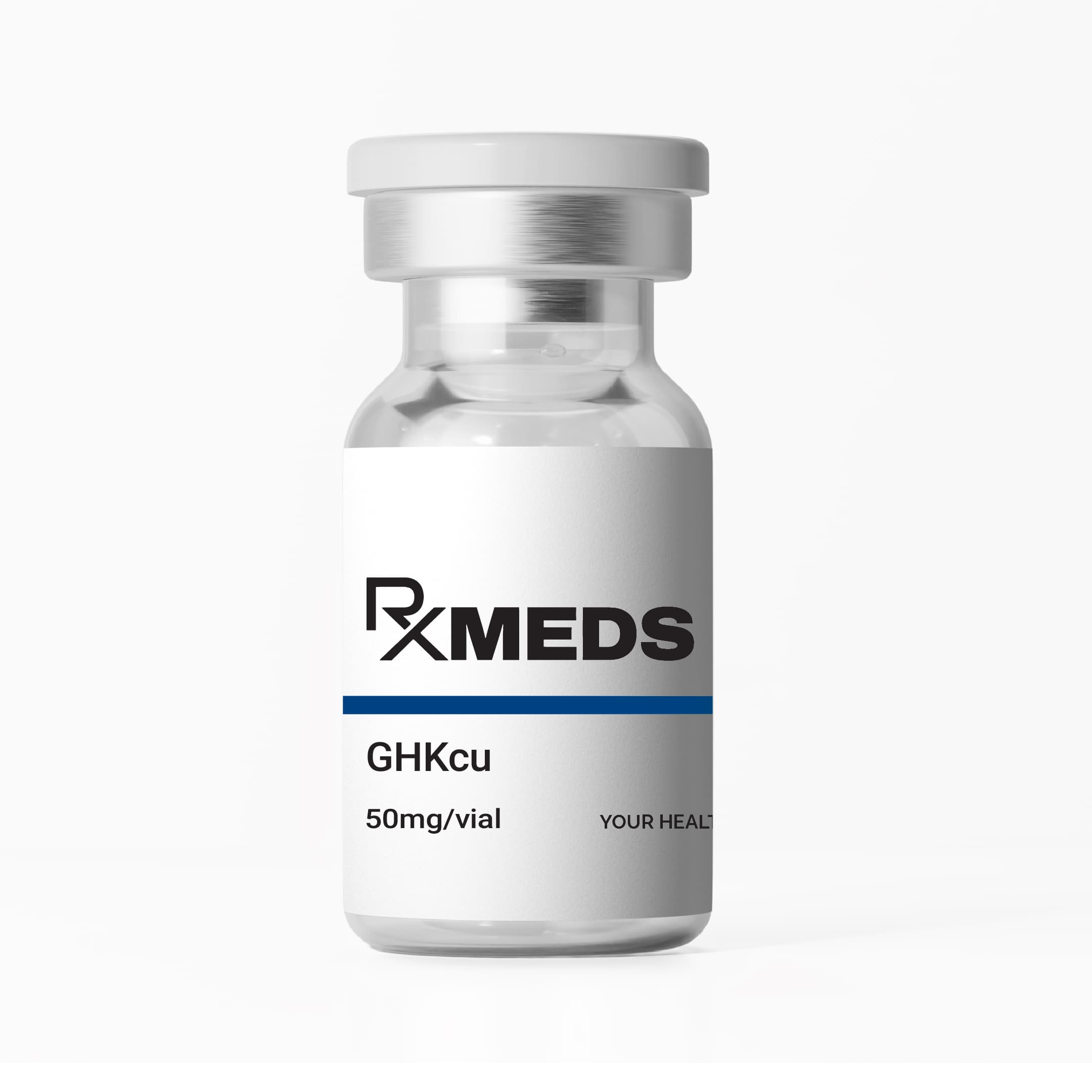
Suppliers typically package this peptide as a freeze-dried powder, with 50mg representing a higher-concentration option suited for topical formulations or extended research protocols. Researchers reconstitute the powder with bacteriostatic water or sterile water depending on the intended application. They then use it in topical, injectable, or microneedling research contexts. Because this peptide also appears in cosmetic formulations, the 50mg strength gives researchers flexibility to prepare multiple dilutions for different study designs.
What the Research Shows
Studies link this peptide to improved wound healing, increased collagen synthesis, and reduced inflammation in skin tissue. Cosmetic research has also explored its effects on fine lines, skin firmness, and hair follicle stimulation, building on its broader role in tissue regeneration. Some researchers have examined its antioxidant properties too. Copper-dependent enzymes play a role in neutralizing free radicals that contribute to cellular aging.
Safety and Legal Standing
This peptide shows a relatively mild safety profile compared to many research compounds, given its natural presence in the human body already. That said, no regulatory agency has approved it specifically as a prescription treatment. Most products remain classified as cosmetic ingredients or research compounds rather than approved drugs. Researchers should still verify sourcing and purity carefully, since quality varies between suppliers.
FAQ
What’s included in a 50mg GHK-Cu vial?
A freeze-dried powder that researchers reconstitute with bacteriostatic or sterile water depending on the intended topical or injectable application.
Why does copper binding matter for this peptide?
Copper plays a direct role in enzymes responsible for collagen production and tissue repair, which this peptide helps deliver to cells.
What does research say about skin benefits?
Studies link it to improved wound healing, increased collagen synthesis, and reduced inflammation in skin tissue.
Is this peptide naturally found in the body?
Yes. It occurs naturally in human plasma, saliva, and urine, though levels decline with age.
Is it approved as a medical treatment?
No. It’s classified as a cosmetic ingredient or research compound.
Be the first to review “GHK-Cu 50mg: The Copper Peptide for Skin Repair”
Related products
Reviews
There are no reviews yet.