
BPC-157
Buried inside human gastric juice, scientists found a peptide fragment with healing properties that seemed almost too broad to be real. BPC-157, short for Body Protection Compound 157, has since become one of the most widely discussed peptides in injury recovery research.
Discovered in an Unlikely Place
Croatian researchers first isolated this peptide from human gastric juice while studying protective compounds naturally present in the digestive tract. That origin explains part of its name and hints at its original role: protecting and healing the stomach lining from damage. Scientists eventually synthesized a stable version for broader research, extending the investigation well beyond gut health alone.
A Peptide With Unusually Wide Effects
Unlike most peptides that target one specific pathway, this compound appears to influence several healing mechanisms simultaneously. Researchers have linked it to accelerated angiogenesis, the formation of new blood vessels that supply healing tissue with oxygen and nutrients. It also appears to modulate nitric oxide pathways and reduce inflammation across multiple tissue types, which may explain why its research applications span tendons, ligaments, muscle, and gut tissue rather than one narrow area.
What the 5mg Vial Offers
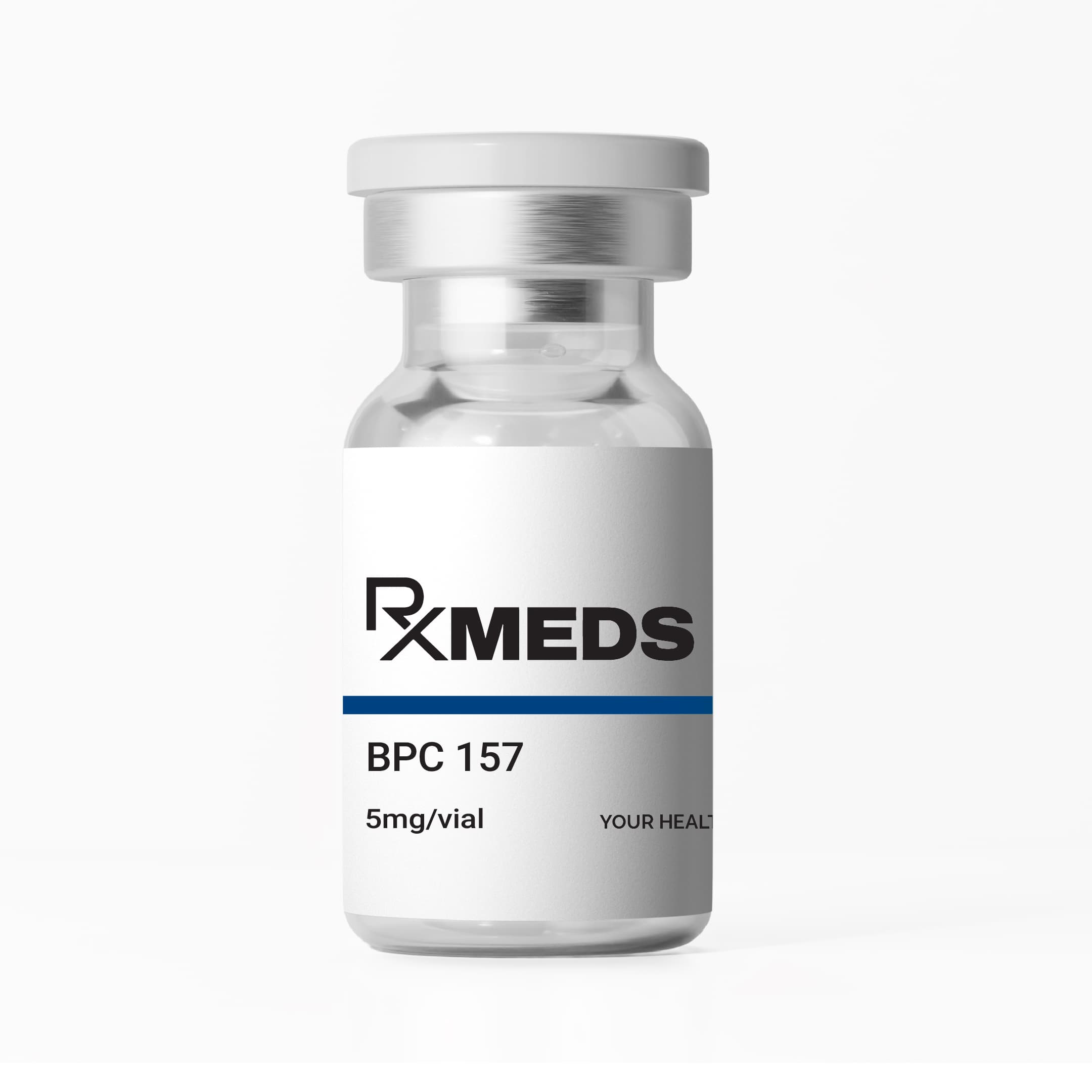
Suppliers typically package this peptide as a freeze-dried powder, with 5mg representing a standard concentration for ongoing research protocols. Researchers reconstitute the powder with bacteriostatic water, then administer it via subcutaneous injection, often near the site of injury in studies examining localized healing effects. Because many protocols call for daily dosing over several weeks, the 5mg vial provides enough material to support a full research cycle without frequent reconstitution.
Where the Research Points
Animal studies link this peptide to faster healing of torn tendons and ligaments, improved muscle recovery after injury, and protective effects on the gut lining. Some research has also explored its potential role in nerve regeneration and protecting against drug-induced organ damage, building on its broader anti-inflammatory and tissue-repair properties. Despite this growing body of animal data, human clinical trials remain limited, leaving many of these findings unconfirmed in people.
Safety and Regulatory Standing
Reported side effects appear minimal in available research, generally limited to mild injection site irritation. No regulatory agency, including the FDA, has approved this peptide for human use, and the FDA has specifically flagged it as a bulk drug substance not eligible for compounding. Sellers market it strictly as a research compound.
FAQ
What’s included in a 5mg BPC-157 vial?
A freeze-dried powder requiring reconstitution with bacteriostatic water before administering via subcutaneous injection.
Where did this peptide come from?
Croatian researchers isolated it from human gastric juice while studying the stomach’s natural protective compounds.
What makes it different from more targeted peptides?
It appears to influence multiple healing pathways at once, including blood vessel formation and inflammation reduction, rather than one specific mechanism.
What does animal research suggest?
Studies link it to faster tendon and ligament healing, improved muscle recovery, and protective effects on the gut lining.
Is it approved for human use?
No. The FDA has flagged it as ineligible for compounding, and it’s sold only as an unapproved research compound.
Be the first to review “BPC-157 5mg: The Healing Peptide Guide”
Related products
Peptides
Reviews
There are no reviews yet.