
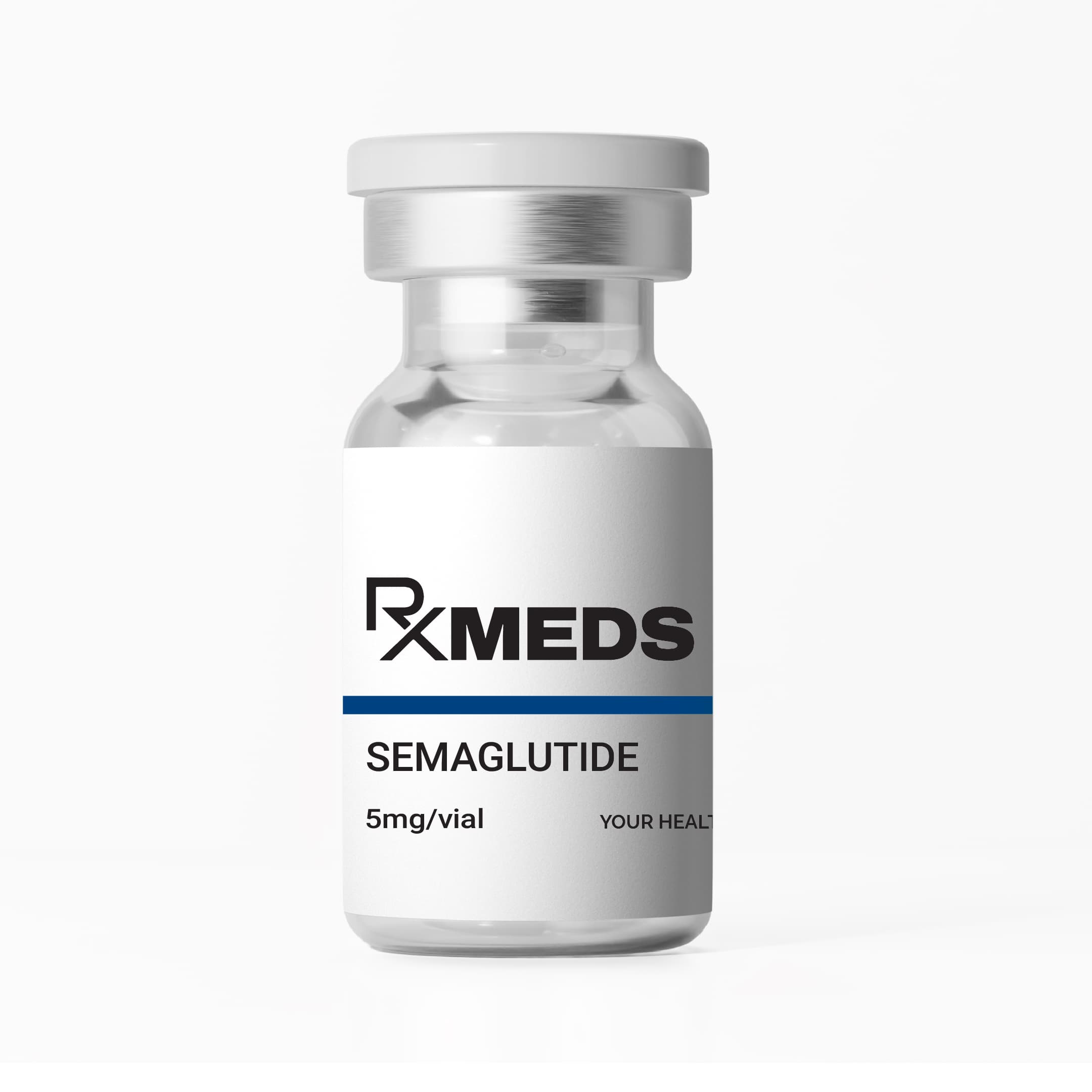


SEMAGLUTIDE
Few medications have reshaped public conversation around weight loss quite like semaglutide. What started as a diabetes treatment has become a household name, largely thanks to brands like Ozempic and Wegovy.
A Hormone Mimic With a Specific Job
This drug copies the action of GLP-1 (glucagon-like peptide-1), a hormone your gut releases after eating. Naturally, GLP-1 tells your pancreas to release insulin, slows down stomach emptying, and signals your brain that you’ve had enough food. By mimicking this hormone at higher, sustained levels, the medication amplifies these effects well beyond what your body produces on its own.
Two Conditions, One Molecule
Doctors prescribe it under different names depending on the goal. Ozempic targets type 2 diabetes management, helping regulate blood sugar levels over time. Wegovy, using a higher dose of the same compound, specifically targets chronic weight management. Despite serving different purposes, both rely on the identical underlying mechanism.
The Results Behind the Headlines
Large clinical trials reported substantial weight loss among participants, often exceeding what older weight-loss medications achieved. Beyond the scale, researchers have also documented improvements in blood pressure, cholesterol levels, and markers of heart disease risk. Ongoing studies now explore whether it reduces cardiovascular events directly, not just the risk factors associated with them.
What to Expect From Semaglutide Treatment
You take this medication as a weekly subcutaneous injection, with doses increasing gradually over several weeks. Gradual titration helps your digestive system adjust. Nausea remains the most commonly reported side effect, particularly during the first few weeks. Other digestive issues, including vomiting, diarrhea, and constipation, show up less frequently but still occur.
Regulatory Standing
The FDA has approved semaglutide for both diabetes and weight management, backed by extensive clinical trial data.
FAQ
What’s the difference between Ozempic and Wegovy?
Both contain semaglutide, but Ozempic targets diabetes management while Wegovy uses a higher dose specifically approved for weight loss.
How much weight can you expect to lose?
Clinical trial participants lost a significant percentage of body weight over time, though individual results vary based on dose and lifestyle factors.
What are the most common side effects?
Nausea tops the list, especially early in treatment, followed by other digestive issues like diarrhea and constipation.
Do you need a prescription?
Yes. This is an FDA-approved medication requiring a doctor’s prescription and ongoing supervision during treatment.
Does it help with anything beyond weight loss?
Research suggests benefits for blood pressure, cholesterol, and cardiovascular risk markers, with ongoing studies examining heart disease outcomes directly.
Be the first to review “SEMAGLUTIDE – 5mg – The GLP-1 Weight Loss Drug”
Related products




Reviews
There are no reviews yet.