
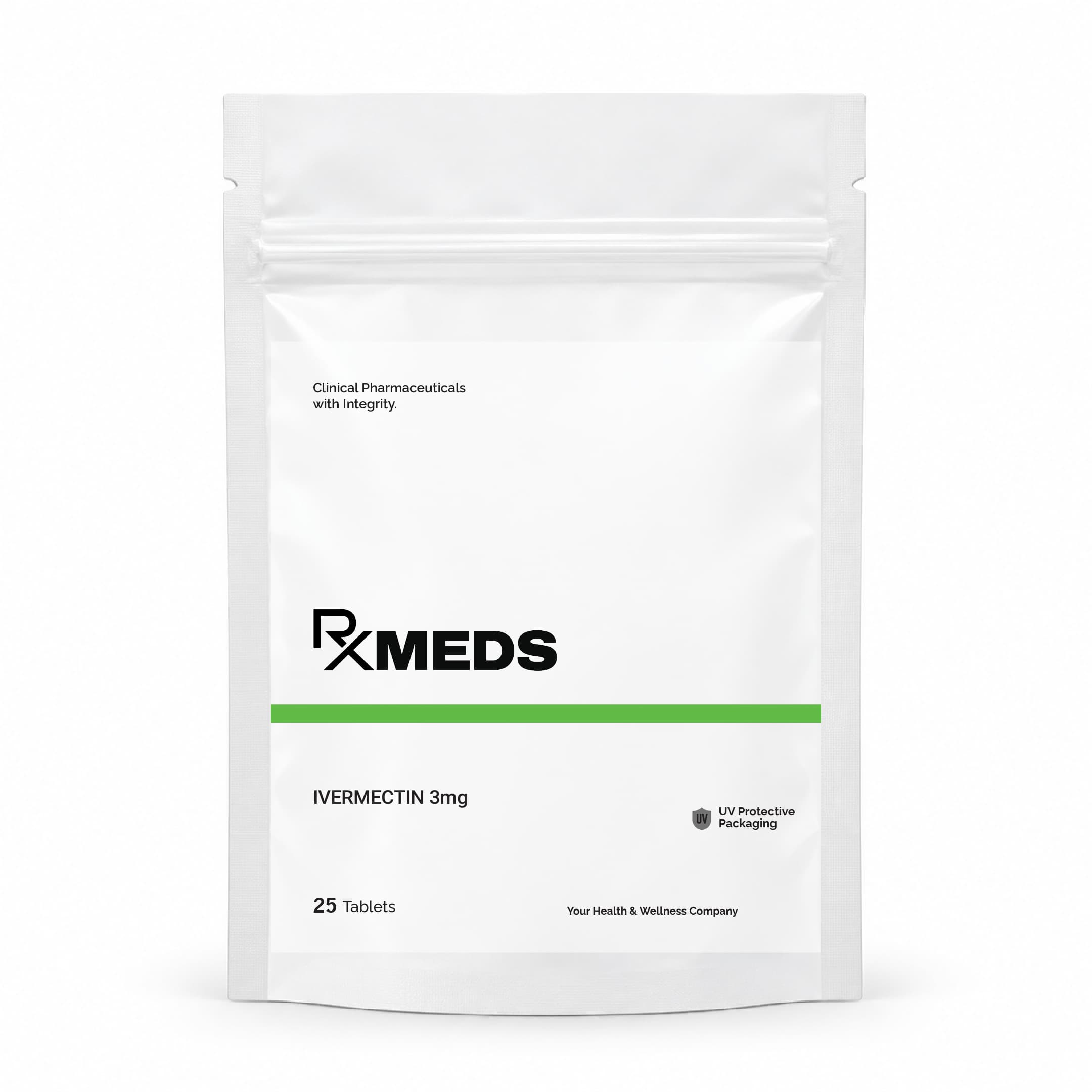
IVERMECTIN 3mg
Few medications have sparked as much public debate as this one, IVERMECTIN , especially after its name became tied to unrelated controversies in recent years. Stripped of that noise, it remains a well-established antiparasitic with a track record spanning decades and a Nobel Prize to its name.
A Nobel Prize-Winning Discovery
Researchers discovered this compound’s parent molecule in a soil sample in Japan during the 1970s, derived from a naturally occurring bacterium. Scientists developed it into a treatment that dramatically reduced the burden of parasitic diseases in developing countries, work recognized with the 2015 Nobel Prize in Physiology or Medicine. That recognition reflected the medication’s massive global health impact, particularly in combating diseases like river blindness that affected millions of people.
How It Eliminates Parasites
This medication works by binding to specific channels in parasitic nerve and muscle cells, causing paralysis and eventual death of the parasite. Because these channels differ structurally from those in mammals, the medication targets parasites selectively while generally sparing human cells from the same effect. This selective action explains why it’s remained a trusted treatment option across numerous parasitic conditions for so long.
What a 3mg Dose Treats
Doctors prescribe this strength for treating intestinal parasitic infections like strongyloidiasis, as well as certain cases of onchocerciasis, commonly known as river blindness. Dosing typically depends on body weight, with doctors calculating the appropriate number of tablets needed to reach an effective dose. Treatment often involves a single dose or short course, though some conditions require repeat dosing after several weeks.
Veterinary and Human Use Confusion
This medication also exists in veterinary formulations used for treating parasites in livestock and pets, a fact that caused significant confusion and risk during recent periods of public misuse. Veterinary formulations contain different concentrations and inactive ingredients not meant for human consumption, making them dangerous when used outside their intended purpose. Doctors and health authorities have consistently emphasized that only properly prescribed human formulations should ever be used for treating parasitic infections in people.
Safety and Side Effects
Reported side effects include dizziness, nausea, and diarrhea, generally mild and temporary at approved doses for approved indications. More serious reactions can occur in patients with certain other parasitic co-infections, where rapid parasite die-off can trigger significant inflammatory responses. Patients should always use this medication under medical supervision and avoid veterinary formulations entirely.
FAQ
What does Ivermectin 3mg treat?
Doctors prescribe it for intestinal parasitic infections like strongyloidiasis and certain cases of river blindness.
How does this medication kill parasites?
It binds to specific nerve and muscle channels in parasites, causing paralysis and death while generally sparing human cells.
Why did this medication win a Nobel Prize?
Researchers won the 2015 Nobel Prize in Physiology or Medicine for its massive impact reducing parasitic disease burden globally.
Is the veterinary version safe for humans to use?
No. Veterinary formulations contain different concentrations and ingredients not meant for human consumption.
What are the most common side effects?
Dizziness, nausea, and diarrhea rank among the most frequently reported side effects at approved doses.
For more info, you can visit us at Research Health Co.
Be the first to review “Ivermectin 3mg: Antiparasitic Treatment Guide”
Related products
Med Care
Reviews
There are no reviews yet.