
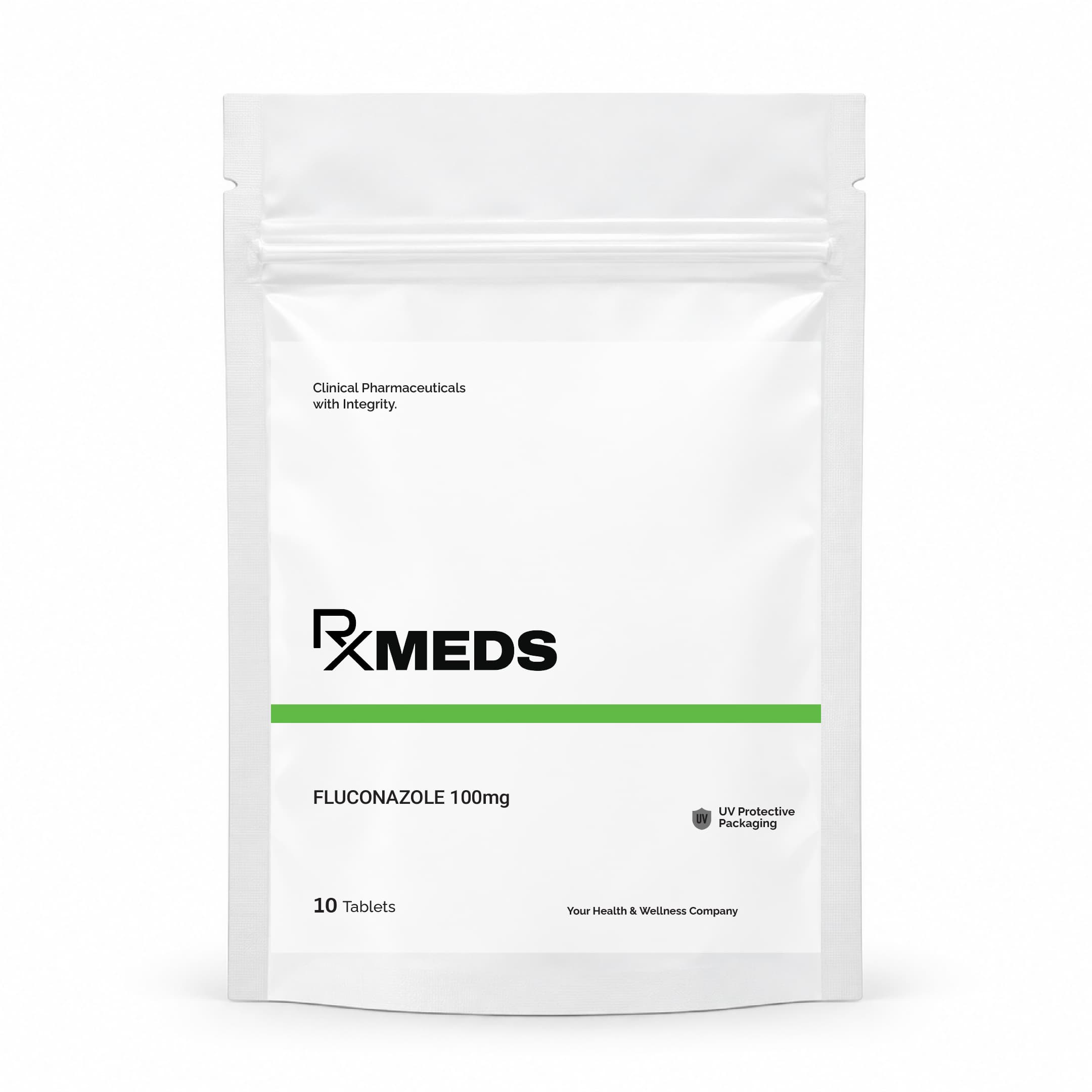
Fluconazole 100mg
Fungal infections range from a minor nuisance to a serious systemic threat, and treatment options vary just as widely. Fluconazole bridges that gap, offering a single oral medication effective against a broad range of fungal organisms.
A Breakthrough in Oral Antifungal Treatment
Pharmaceutical researchers developed this medication in the 1980s, aiming to create an antifungal that worked reliably when taken by mouth rather than requiring injection. Before its arrival, treating systemic fungal infections often meant intravenous therapy with medications carrying significant side effects. This oral option changed that landscape considerably, making antifungal treatment far more accessible and tolerable for patients.
How It Stops Fungal Growth
This medication works by blocking an enzyme fungi need to produce ergosterol, a critical component of fungal cell membranes. Without enough ergosterol, fungal cell membranes become unstable and can’t maintain their structure properly, stopping the organism from growing and spreading further. Because this enzyme differs significantly from similar enzymes in human cells, the medication targets fungal cells selectively while generally sparing healthy human tissue.
What a 100mg Dose Treats
Doctors prescribe this strength for vaginal yeast infections, oral and esophageal candidiasis, and certain systemic fungal infections affecting the bloodstream or internal organs. Dosing and treatment length vary considerably depending on the infection’s severity and location, ranging from a single dose for simple yeast infections to weeks of daily treatment for more serious systemic cases. Patients typically take it orally, with or without food, following their doctor’s specific instructions.
Preventive and Long-Term Use
Doctors sometimes prescribe this medication for ongoing prevention in patients at high risk for fungal infections, such as those with weakened immune systems from chemotherapy or organ transplants. In these cases, a lower maintenance dose helps prevent infections from developing in the first place, rather than treating an active infection. This preventive application highlights the medication’s versatility beyond simply treating infections after they occur.
Safety and Side Effects
Reported side effects include headache, nausea, and stomach upset, generally mild and temporary for most patients. More serious but rare risks include liver damage and a potential effect on heart rhythm, particularly when combined with certain other medications. Patients taking other prescriptions should discuss potential drug interactions with their doctor, since this medication can affect how the liver processes several other drugs.
FAQ
What infections does Fluconazole 100mg treat?
Doctors prescribe it for vaginal yeast infections, oral and esophageal candidiasis, and certain systemic fungal infections.
How does this medication stop fungal growth?
It blocks an enzyme fungi need to build their cell membranes, destabilizing the fungal cell and halting its growth.
Can it be used for infection prevention?
Yes. Doctors sometimes prescribe a maintenance dose for patients at high risk of fungal infections due to weakened immune systems.
How long does treatment typically last?
It varies from a single dose for simple yeast infections to several weeks for more serious systemic infections.
What’s an important interaction to be aware of?
It can affect how the liver processes other medications, so patients should discuss potential drug interactions with their doctor.
For more information, please visit us at Research Health Co.
Be the first to review “Fluconazole 100mg: Antifungal Treatment Guide”
Related products
Reviews
There are no reviews yet.