
Epitalon
A four-amino-acid peptide, synthesized decades ago in a Russian laboratory, has quietly built one of the more intriguing reputations in longevity research. Epitalon emerged from work on the pineal gland, and its connection to aging keeps drawing researchers back to it.
Origins in Russian Aging Research
Scientists developed this peptide at the St. Petersburg Institute of Bioregulation and Gerontology. Their work built on decades of research into the pineal gland’s role in aging. Researchers originally derived it from epithalamin, a natural pineal gland extract. They then synthesized a simplified peptide version, hoping to isolate the active component responsible for its effects. That synthesized version became the compound studied widely today.
The Telomere Connection
Researchers have linked this peptide to telomerase activation, an enzyme that helps maintain telomeres, the protective caps on chromosome ends. Telomeres naturally shorten as cells divide, and scientists associate that shortening with cellular aging. Some animal studies suggest this peptide may slow telomere shortening. As a result, longevity researchers consider it one of the more promising compounds in this specific area.
What a 10mg Vial Involves
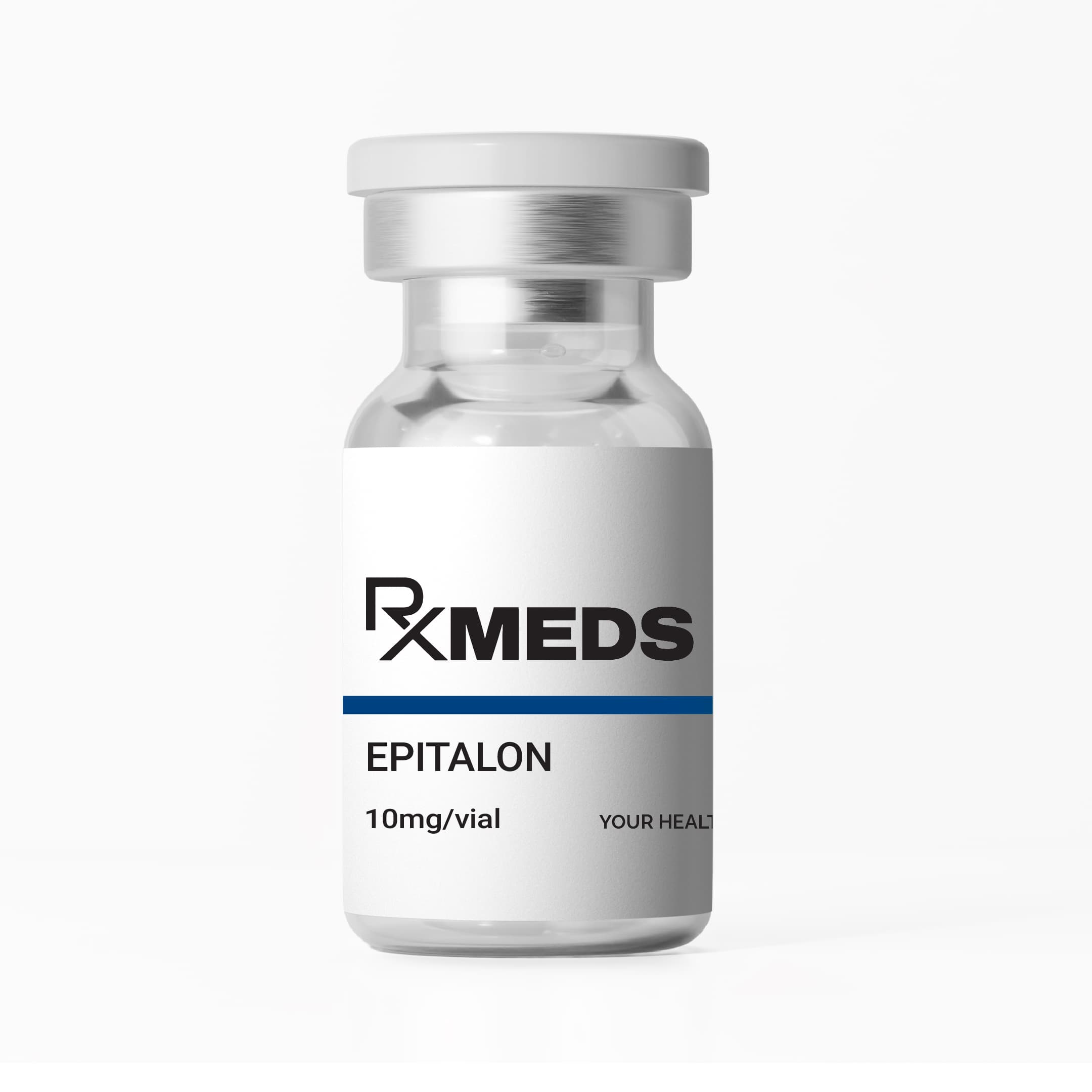
Suppliers typically package this peptide as a freeze-dried powder, with 10mg representing a standard research quantity for extended study protocols. Researchers reconstitute the powder with bacteriostatic water, then administer it via subcutaneous injection. Most protocols follow cyclical dosing schedules rather than continuous daily use. Specifically, many call for short treatment courses followed by extended breaks, a pattern that may align with the body’s natural rhythms.
Beyond Telomeres: Other Research Areas
Studies have also examined this peptide’s effects on sleep regulation, since it appears to influence melatonin production through its connection to pineal gland function. Additionally, researchers have explored potential benefits for immune function and antioxidant activity, building on broader theories about pineal gland regulation and aging. However, most of this research remains in early stages, relying heavily on animal models rather than large human trials.
Regulatory and Safety Notes
No regulatory agency, including the FDA, has approved this peptide for human use or any specific medical condition. Sellers market it strictly as a research compound, meaning no standardized quality oversight governs production or purity. Reported side effects remain limited in available literature. Still, the lack of extensive human trials means long-term safety data stays incomplete.
FAQ
What’s included in a 10mg Epitalon vial?
A freeze-dried powder requiring reconstitution with bacteriostatic water before administering via subcutaneous injection.
How is this peptide connected to telomeres?
Researchers link it to telomerase activation, an enzyme involved in maintaining the protective caps on chromosomes linked to cellular aging.
How do researchers typically dose it?
Most protocols use short treatment cycles followed by extended breaks, rather than continuous daily administration.
Where did this peptide originate?
Russian scientists developed it at the St. Petersburg Institute of Bioregulation and Gerontology, based on earlier pineal gland research.
Is it approved for anti-aging treatment?
No. The FDA hasn’t approved it, and it’s available only as a research compound without standardized quality oversight.
Be the first to review “Epitalon 10mg: The Longevity Peptide Guide”
Related products
Peptides
Peptides
Reviews
There are no reviews yet.