
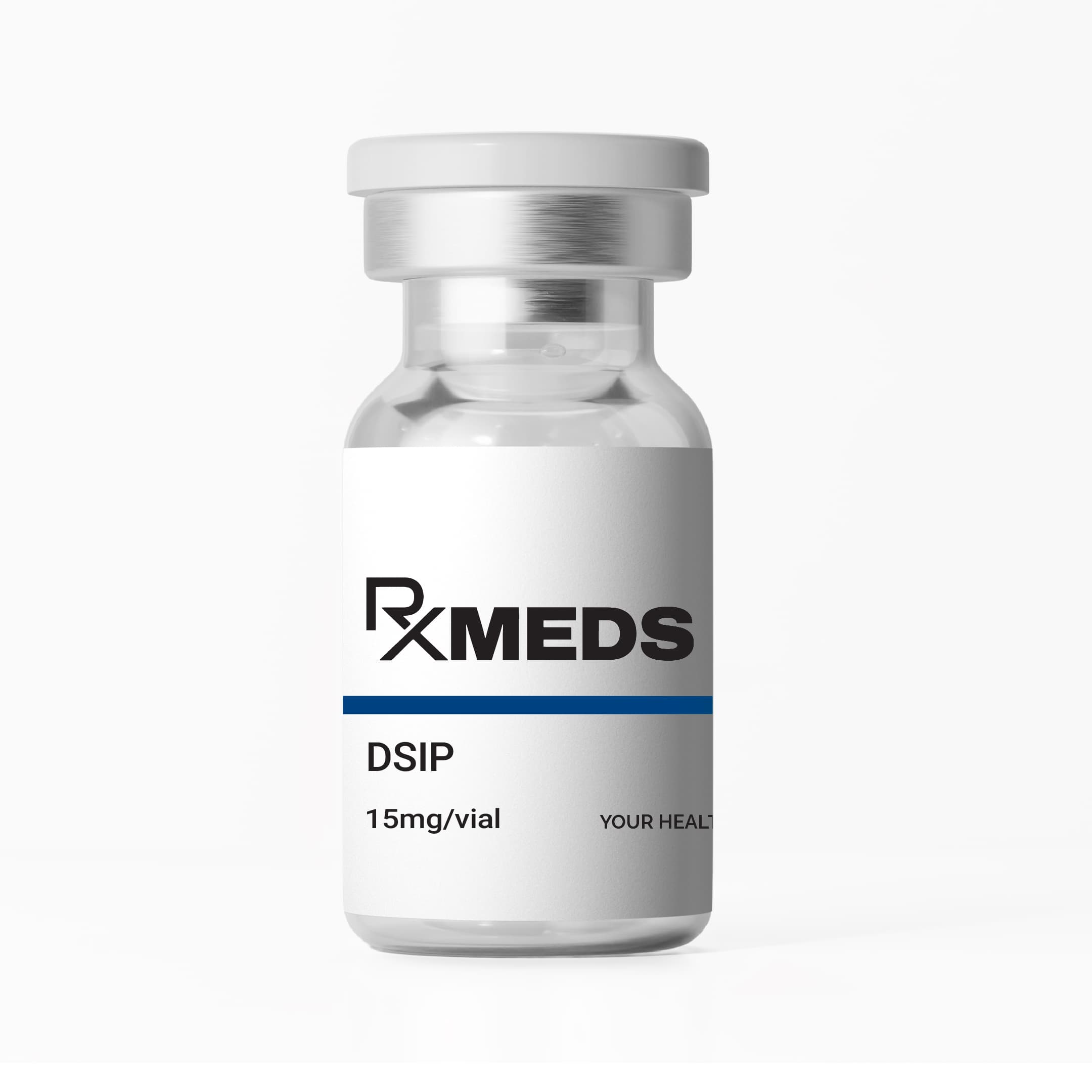
DSIP
A peptide discovered while researchers studied rabbit brains in the 1970s now carries a name that describes exactly what scientists hoped it would do: Delta Sleep-Inducing Peptide, or DSIP.
Discovered Through Sleep Research
Swiss researchers first isolated this peptide from the blood of rabbits during experiments on sleep induction, noticing it appeared more concentrated during deep sleep phases. That observation led them to name it after delta wave sleep, the deepest stage of non-REM sleep associated with physical restoration. Despite the name, researchers later found its effects reach beyond sleep alone, touching stress response and hormone regulation too.
How It May Influence Sleep
Scientists believe this peptide interacts with the body’s sleep-wake regulatory systems, though the exact mechanism remains incompletely understood even decades after its discovery. Some research suggests it may help normalize disrupted sleep patterns rather than simply sedating users, which would distinguish it from typical sleep medications that work through different receptor pathways entirely. Researchers have also noted potential effects on circadian rhythm regulation, adding another layer to how it might support sleep quality.
What a 15mg Vial Provides
Suppliers typically package this peptide as a freeze-dried powder, with 15mg representing a higher-concentration option suited for extended research protocols. Researchers reconstitute the powder with bacteriostatic water, then administer it via subcutaneous injection, often timed shortly before intended sleep periods. Because research dosing varies depending on study goals, the 15mg strength gives researchers flexibility to prepare multiple smaller doses from a single vial.
Research Beyond Sleep
Studies have examined this peptide’s potential role in stress response, with some research suggesting it may help regulate cortisol release during stressful conditions. Researchers have also explored its effects on pain perception and opioid withdrawal symptoms, building on broader theories about its role in the body’s stress and regulatory systems. However, much of this research remains limited in scope, relying on smaller studies rather than large-scale human trials.
Safety and Legal Standing
Reported side effects appear minimal in available literature, though comprehensive long-term safety data remains limited given the small number of human trials conducted. No regulatory agency, including the FDA, has approved this peptide for human use or any specific medical condition. Sellers market it strictly as a research compound
FAQ
What’s included in a 15mg DSIP vial?
A freeze-dried powder requiring reconstitution with bacteriostatic water before administering via subcutaneous injection.
How did researchers discover this peptide?
Swiss scientists isolated it from rabbit blood during sleep research in the 1970s, noticing higher concentrations during deep sleep phases.
Does it work like typical sleep medications?
Not exactly. Some research suggests it may help normalize sleep patterns rather than simply sedating users, unlike conventional sleep aids.
What other effects has research examined?
Studies have explored its potential role in stress response, cortisol regulation, and pain perception beyond sleep alone.
Is it approved for treating sleep disorders?
No. The FDA hasn’t approved it, and it’s available only as a research chemical without standardized quality oversight.
Be the first to review “DSIP 15mg: The Sleep Peptide Research Guide”
Related products
Peptides
Peptides
Reviews
There are no reviews yet.