
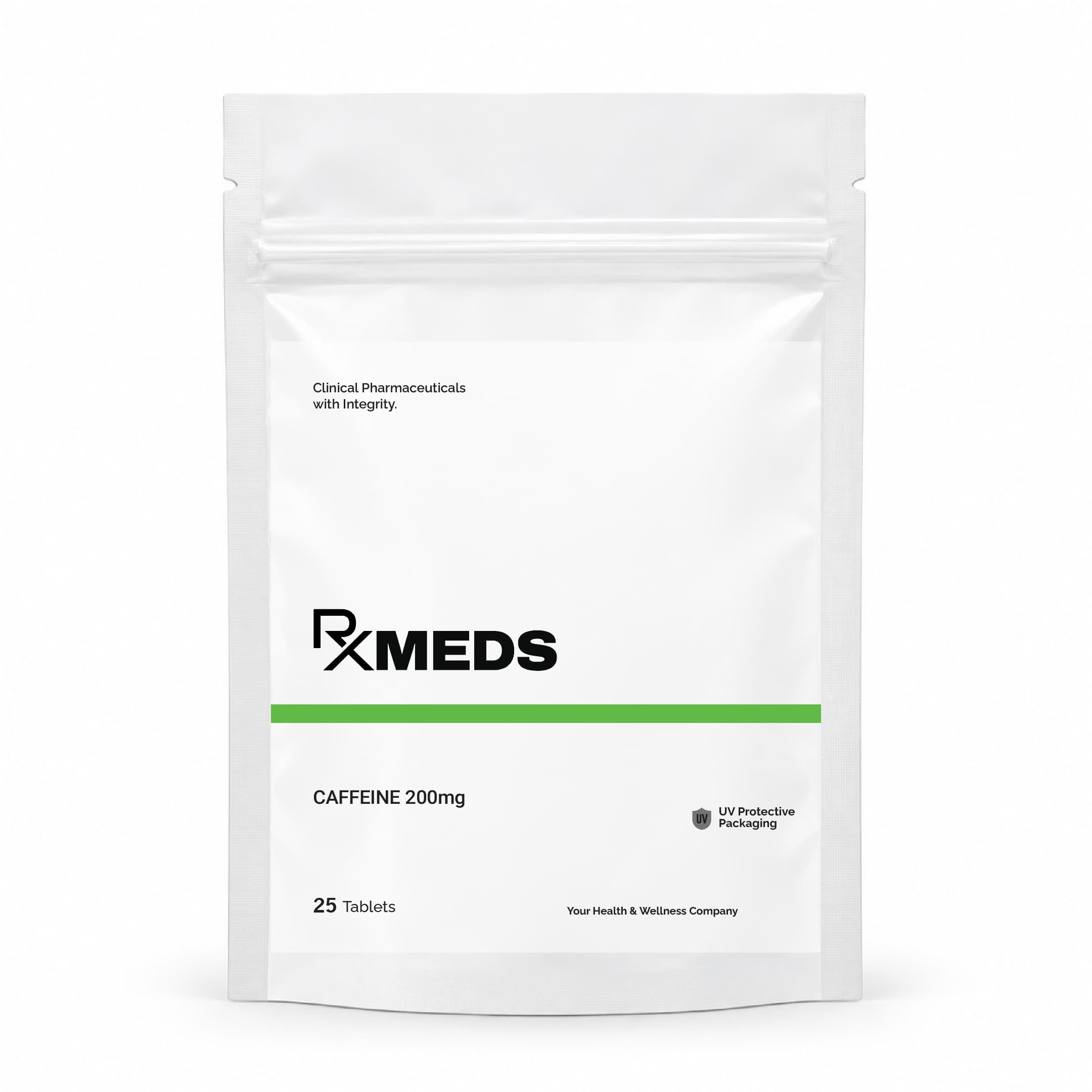
Caffeine 200mg
Long before anyone bottled it into a capsule, caffeine traveled across continents hidden inside coffee beans, tea leaves, and cacao pods. Legend credits an Ethiopian goatherd who noticed his flock getting unusually energetic after eating certain berries, sparking humanity’s long relationship with this compound.
A Stimulant With Ancient Roots
Historians trace caffeine consumption back over a thousand years, with coffee cultivation in Ethiopia and tea drinking in China both predating written records of their precise origins. Chemists didn’t isolate the pure compound until 1819, when a German chemist extracted it from coffee beans at the request of a famous poet curious about what made the drink so stimulating. That isolation eventually paved the way for concentrated forms like the 200mg capsule, far removed from the slow-brewed cups that first introduced the world to its effects.
How It Keeps You Alert
This compound works primarily by blocking adenosine receptors in the brain, the same receptors responsible for signaling tiredness as the day progresses. With adenosine blocked, neurons fire more readily, and the body releases more dopamine and norepinephrine, two chemicals tied to alertness and mood. This mechanism explains why caffeine feels like it “wakes up” the brain rather than adding energy from nowhere; it’s simply interrupting the signal that tells you to slow down.
What a 200mg Dose Offers
A 200mg dose sits roughly equivalent to two cups of brewed coffee, delivering a more precise and consistent amount than variable coffee servings. Many athletes and students favor capsule or tablet forms specifically for that consistency, since coffee’s caffeine content can vary significantly based on bean type and brewing method. Effects typically begin within 30 to 60 minutes, peaking around an hour after consumption before gradually tapering off.
Performance and Cognitive Research
Research consistently links this dose range to improved reaction time, focus, and endurance during physical exercise, making it a popular pre-workout addition for athletes. Cognitive studies also show modest improvements in short-term memory and alertness during tasks requiring sustained attention. Interestingly, researchers have found that regular users develop tolerance faster than occasional users, meaning the same dose produces smaller effects over time with consistent daily use.
Safety and Side Effects
Reported side effects include jitteriness, increased heart rate, and difficulty sleeping, particularly when taken later in the day or in people sensitive to stimulants. Higher doses can trigger anxiety and digestive discomfort in some individuals, while regular heavy use can lead to withdrawal symptoms like headaches when stopped abruptly. Health authorities generally consider moderate daily intake safe for most healthy adults, though pregnant individuals and those with heart conditions should discuss intake levels with a doctor.
FAQ
How much coffee does 200mg of caffeine equal?
Roughly two cups of brewed coffee, though coffee’s caffeine content can vary depending on bean type and brewing method.
How was caffeine first discovered?
Legend traces its discovery to an Ethiopian goatherd, though chemists didn’t isolate the pure compound until 1819.
How does caffeine make you feel more alert?
It blocks adenosine receptors that signal tiredness, while boosting dopamine and norepinephrine levels tied to alertness.
How long does it take to feel the effects?
Effects typically begin within 30 to 60 minutes, peaking around an hour after consumption.
Does regular use reduce caffeine’s effectiveness?
Yes. Regular users tend to build tolerance faster than occasional users, requiring more to achieve the same effect over time.
Be the first to review “Caffeine 200mg: The World’s Favorite Stimulant Guide”
Related products
Med Care
Reviews
There are no reviews yet.