
AHK-Cu
Copper peptides often get lumped together as one category, but AHK-Cu carves out its own niche within that family. While GHK-Cu dominates skin research conversations, this tripeptide complex brings a slightly different amino acid structure and its own distinct research profile.
A Close Relative With a Different Structure
Researchers built this peptide around the amino acids alanine, histidine, and lysine, binding them to a copper ion in a configuration similar to GHK-Cu but not identical. That structural difference changes how the peptide interacts with skin cells and enzymatic pathways, giving it a research identity separate from its more widely studied counterpart. Scientists developed it specifically to explore whether this altered structure might offer advantages for certain skin and wound-healing applications.
The Role Copper Plays Here
Like other copper-binding peptides, this compound relies on copper’s involvement in numerous enzymatic processes throughout the body. Once bound, the complex appears to support collagen and elastin synthesis, two proteins essential for skin structure and elasticity. Researchers also link copper delivery through this peptide to antioxidant activity, since copper-dependent enzymes help neutralize free radicals that contribute to tissue damage and aging.
What a 50mg Vial Supports
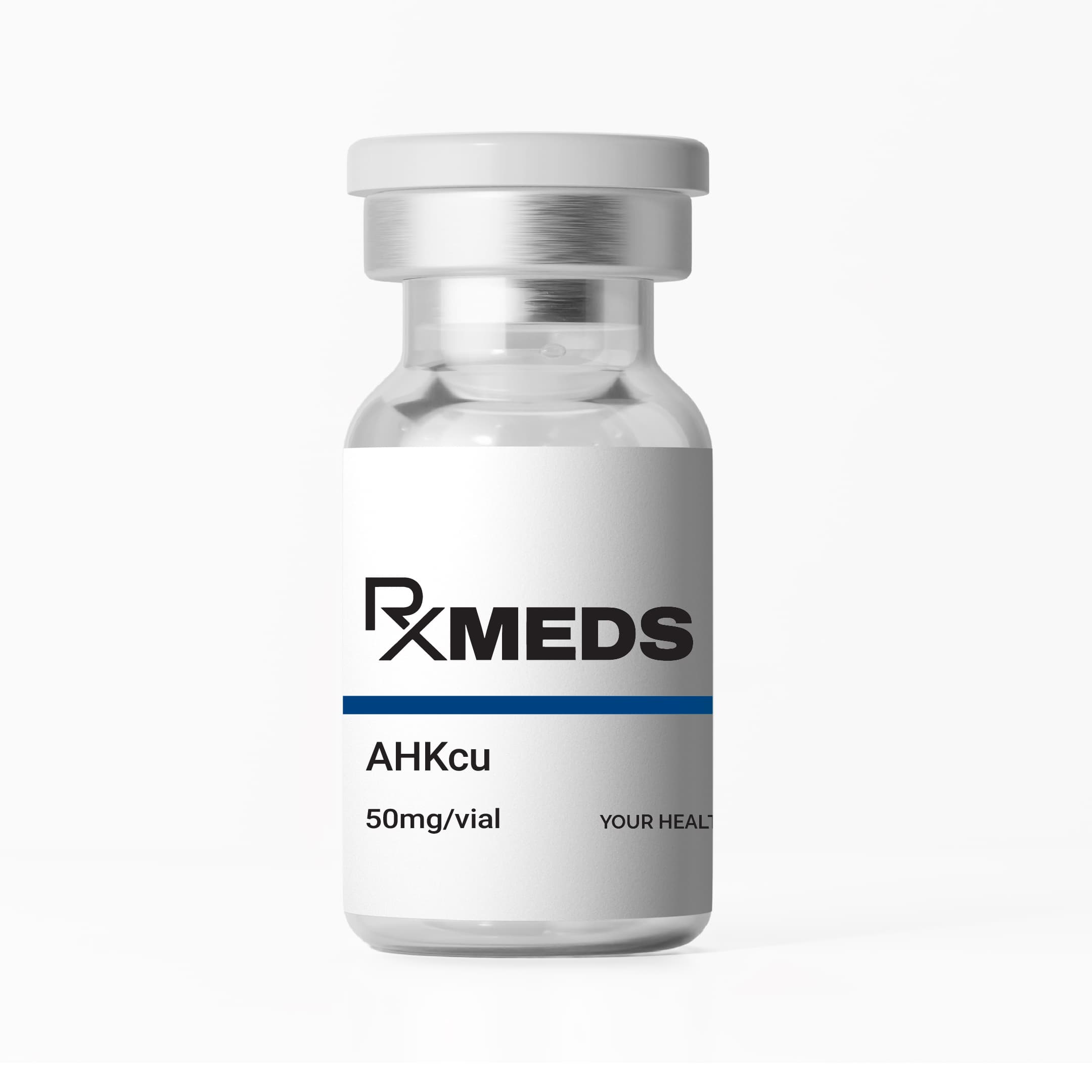
Suppliers typically package this peptide as a freeze-dried powder, with 50mg representing a higher-concentration option suited for topical formulations or extended research use. Researchers reconstitute the powder with bacteriostatic water or sterile water, depending on whether the study involves topical application or injectable research protocols. Because this concentration allows for multiple dilutions, the 50mg vial gives researchers flexibility across different formulation strengths and study designs.
Where Research Attention Focuses
Studies examine this peptide’s potential role in wound healing, skin barrier repair, and reducing inflammation in damaged tissue. Some research has also explored its effects on hair follicle health, building on copper peptides’ broader connection to tissue regeneration. Comparisons between this peptide and GHK-Cu remain an active area of interest, as researchers try to determine whether the structural differences translate into meaningfully different outcomes.
Safety and Regulatory Standing
This peptide shows a generally mild safety profile in available research, consistent with other copper-binding compounds studied to date. However, no regulatory agency has approved it as a prescription treatment, and most products fall under cosmetic ingredient or research compound classifications rather than approved drugs. Researchers should verify sourcing carefully, since quality and purity vary significantly between suppliers.
FAQ
What’s included in a 50mg AHK-Cu vial?
A freeze-dried powder that researchers reconstitute with bacteriostatic or sterile water depending on the intended application.
How is this peptide different from GHK-Cu?
It uses a different amino acid structure bound to copper, giving it a distinct research profile despite similar underlying mechanisms.
What does research suggest about its effects?
Studies link it to wound healing, skin barrier repair, and reduced inflammation, alongside antioxidant activity from copper delivery.
Is this peptide naturally occurring?
It’s a synthesized copper-peptide complex, built from amino acids that researchers selected specifically for their interaction with copper.
Is it approved as a medical treatment?
No. It’s classified as a cosmetic ingredient or research compound.
Be the first to review “AHK-Cu 50mg: A Copper Peptide Research Guide”
Related products
Peptides
Reviews
There are no reviews yet.