
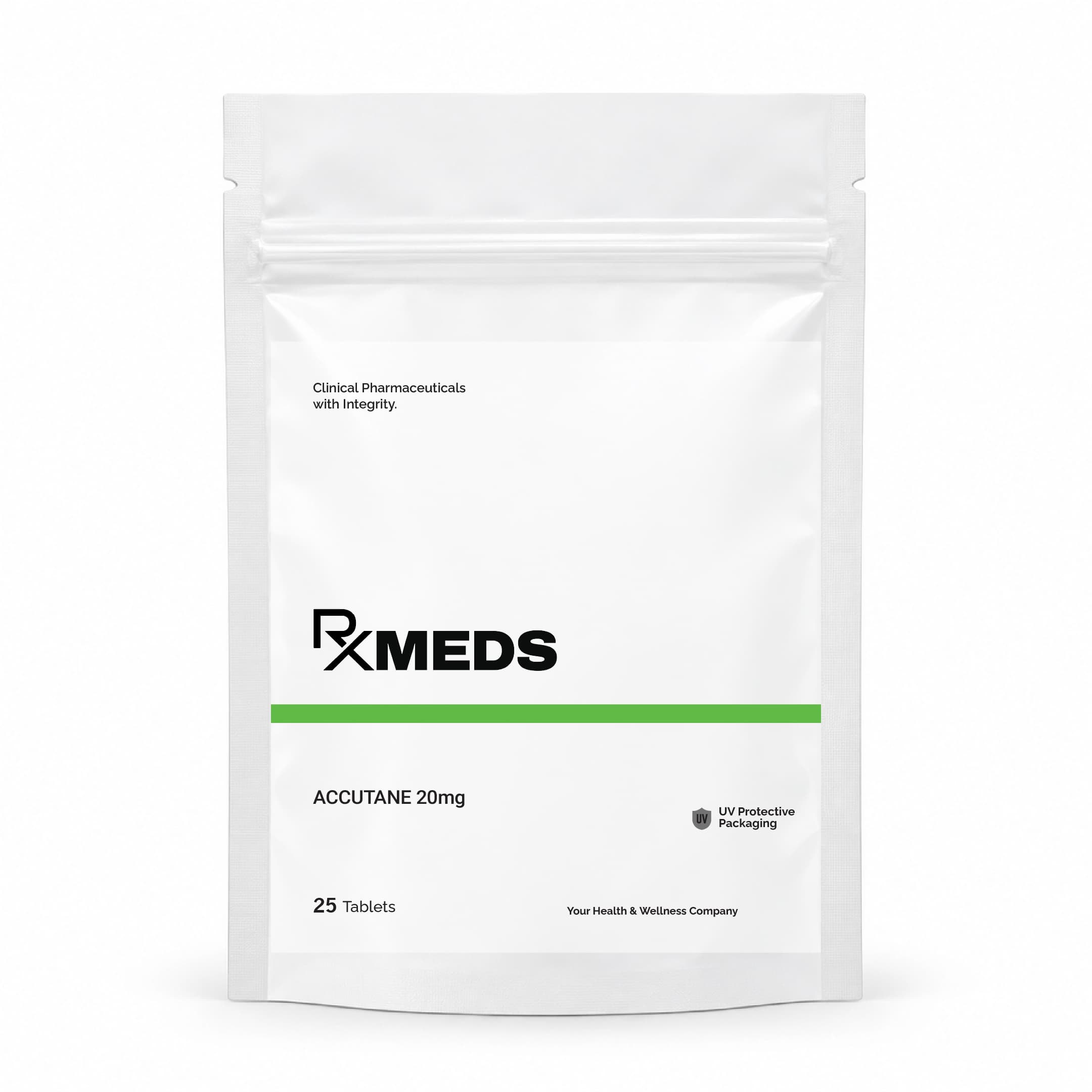
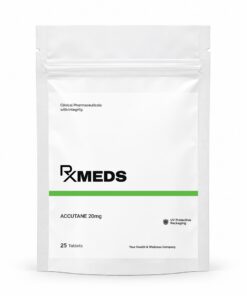
Accutane (Isotretinoin)
For people who’ve tried everything on the drugstore shelf without success, Accutane (Isotretinoin) often marks a turning point. Unlike creams and antibiotics that manage breakouts month after month, this one aims for something more lasting.
From Vitamin A Research to Clear Skin
Researchers originally studied this compound’s parent molecule as a retinoid, part of a family of compounds related to vitamin A. During early research, scientists noticed its striking effect on skin cell behavior, which led to its development as an acne treatment instead. That work resulted in FDA approval in 1982, giving dermatologists a genuinely different option for patients who hadn’t found relief elsewhere.
How It Helps Clear the Skin
This medication works by shrinking the skin’s oil glands, reducing the oil production that feeds acne-causing bacteria. It also changes how skin cells shed and renew themselves, helping prevent the clogged pores that lead to breakouts. Many patients experience long-term clear skin after completing a single course, which is part of why it remains such a popular option for stubborn cases.
What a 20mg Dose Treats
Doctors prescribe this strength for moderate to severe acne that hasn’t responded well to other treatments, including antibiotics and topical retinoids. Dosing usually depends on body weight, with treatment courses typically running four to six months. The 20mg dose often sits a step up from starting doses, used once the skin has adjusted and a doctor decides a slightly higher level fits the patient’s progress.
A Few Things to Know Before Starting
Because of certain risks, including birth defects if taken during pregnancy, this medication comes with a structured monitoring program involving regular check-ins with a doctor. Patients capable of pregnancy use birth control and undergo routine pregnancy testing throughout treatment, simply as a precaution. Regular bloodwork also helps doctors keep an eye on liver function and cholesterol levels along the way, which is a normal part of the process rather than a sign of anything alarming.
A Note on Post-Cycle Skin with Accutane (Isotretinoin)
Some people dealing with acne that flares up after stopping a steroid cycle turn to this medication once hormone levels start settling back down. In these cases, it’s used the same way it would be for any other stubborn acne, addressing the breakouts themselves rather than anything related to the cycle directly. A dermatologist can help determine whether this treatment makes sense once other options haven’t cleared things up.
What to Expect Along the Way
Common effects include dry skin, chapped lips, and dry eyes, which most patients manage easily with good moisturizer and lip balm. Doctors keep tabs on mood, liver function, and cholesterol through routine visits, just to make sure everything stays on track. Patients should mention any noticeable mood changes to their doctor, simply so it can be looked into early.
FAQ
What does Accutane 20mg treat?
Doctors prescribe it for moderate to severe acne that hasn’t improved with antibiotics or topical treatments.
Why does this medication involve regular doctor visits?
It comes with a monitoring program that includes routine check-ins, mainly as a precaution around pregnancy risk and bloodwork.
Can this help with acne after a steroid cycle?
Yes. Some people use it to clear up acne that flares once hormone levels settle after stopping a cycle.
How long does a typical treatment course last?
Most courses run four to six months, with dosing based on body weight.
What’s a common side effect to expect?
Dry skin and chapped lips are common and usually manageable with regular moisturizer and lip balm.
Be the first to review “Accutane (Isotretinoin) 20mg: Clear Skin Treatment Guide”
Related products
Med Care
Reviews
There are no reviews yet.