
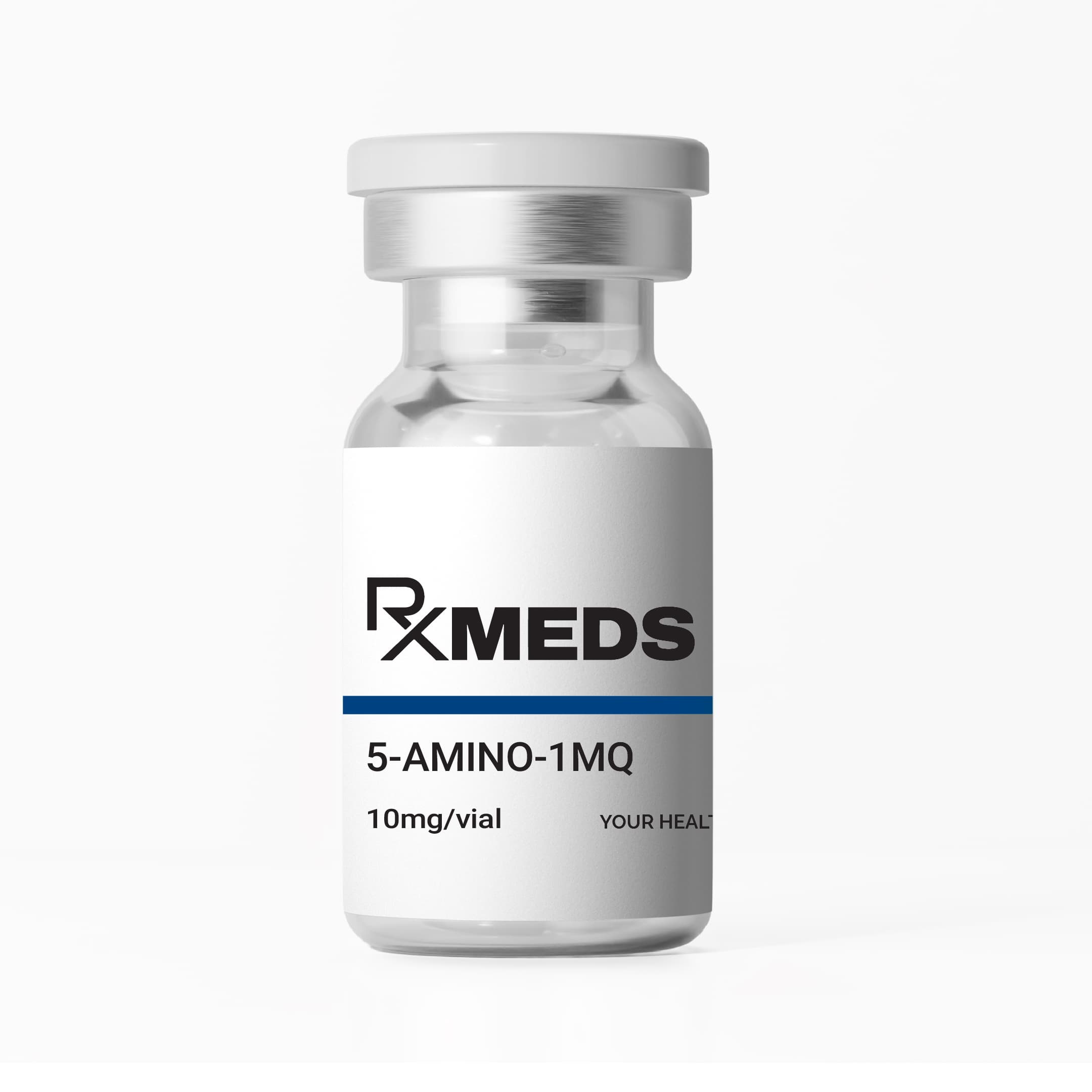
5-Amino-1MQ
Most research around this compound centers on oral capsules, but researchers have also explored 5-Amino-1MQ injectable route, aiming for more direct delivery than digestion allows. This small molecule works by blocking an enzyme most people have never heard of: NNMT, short for nicotinamide N-methyltransferase.
Targeting an Enzyme, Not a Hormone
Researchers developed this compound specifically to inhibit NNMT, an enzyme found in high concentrations in fat cells. NNMT plays a role in regulating cellular energy metabolism, and higher enzyme activity has been linked to increased fat storage and reduced metabolic rate. By blocking this enzyme, researchers theorized they could shift fat cells toward burning energy rather than storing it.
Why Some Researchers Choose Injection
Oral absorption varies significantly between individuals, since the compound passes through the digestive system before reaching target tissue. An injectable form bypasses that digestive process entirely, delivering the compound directly into the bloodstream or muscle tissue instead. Researchers exploring this route often cite more predictable absorption as the main advantage over oral capsules.
The NAD+ Connection
Blocking NNMT also appears to preserve cellular NAD+ levels, since the enzyme normally consumes a related molecule during its activity. Higher NAD+ availability supports mitochondrial function and energy production at the cellular level. This dual mechanism, targeting both fat storage and cellular energy, sets it apart from single-pathway fat-loss compounds.
What Animal Research Has Shown
Mouse studies form the bulk of the evidence here. Researchers observed reduced fat mass in obese mice given this compound, even without changes to diet or exercise levels. Some studies also reported improvements in insulin sensitivity and metabolic health markers alongside the fat reduction. These findings drove much of the early enthusiasm, though researchers caution that animal results don’t always translate directly to human outcomes.
Handling and Safety Notes
Researchers typically reconstitute the compound with bacteriostatic water before administering it via subcutaneous injection, following protocols adapted from oral dosing research. Because injectable use remains far less studied than the oral form, dosing standards and long-term safety data stay especially limited for this route specifically. No regulatory agency, including the FDA, has approved this compound for human use in any form. Sellers market it strictly as a research compound.
FAQ
Why would researchers use an injectable form over oral capsules?
Injection bypasses digestion, offering more predictable absorption than the variable rates seen with oral administration.
How does 5-Amino-1MQ work?
It inhibits NNMT, an enzyme in fat cells linked to fat storage and reduced metabolic rate.
What does it have to do with NAD+?
Blocking NNMT helps preserve NAD+ levels, a molecule important for mitochondrial function and cellular energy production.
Is injectable use well-studied?
No. Most available research focuses on oral administration, leaving injectable dosing and safety data especially limited.
Is it approved for weight loss use?
No. The FDA hasn’t approved it in any form, and it’s sold only as an unregulated research chemical.
Be the first to review “5-Amino-1MQ Injectable: NNMT Inhibitor Guide”
Related products
Reviews
There are no reviews yet.