
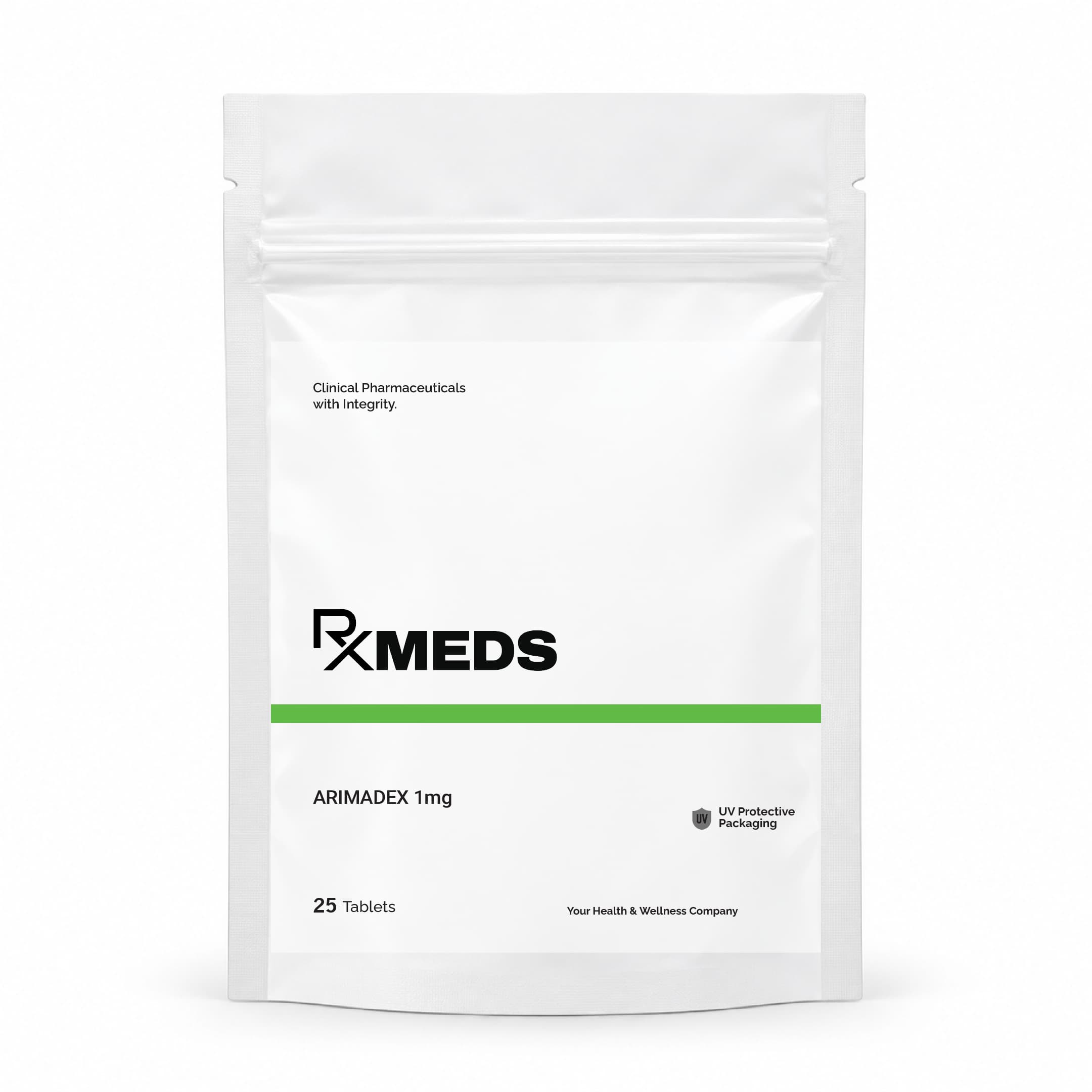


Arimidex (Anastrozole)
Some tumors don’t need a direct attack to be stopped. They just need their fuel source cut off. Arimidex takes that approach, targeting the estrogen supply many breast cancers depend on to grow.
Starving Estrogen-Driven Tumors
Roughly two-thirds of breast cancers rely on estrogen to fuel their growth. That discovery reshaped breast cancer treatment decades ago. Rather than fighting cancer cells head-on, researchers designed this medication to remove the hormone those cells need. That strategy made hormone therapy a cornerstone of treatment for many patients.
How It Lowers Estrogen Levels
This medication blocks the aromatase enzyme. That enzyme converts androgens into estrogen in fat and other body tissue. In postmenopausal women, this conversion becomes the body’s main estrogen source once the ovaries slow down. Blocking the enzyme significantly reduces circulating estrogen. That cuts off the hormone many tumors rely on to grow and spread.
What a Arimidex (Anastrozole) 1mg Dose Treats
Doctors prescribe this strength as a standard daily dose. It treats postmenopausal women with hormone receptor-positive breast cancer. Doctors often use it first-line, or after a course of Tamoxifen. It also helps prevent cancer recurrence after surgery. Some patients continue treatment for several years as a long-term safeguard. Patients take it once daily, with or without food.
Comparing This Approach to Receptor-Blocking Drugs
Older hormone therapies like Tamoxifen block estrogen receptors directly. Estrogen levels stay the same, but cells can’t respond to it. This medication instead reduces estrogen itself at the source. Clinical trials show this approach works better for certain postmenopausal patients. Doctors weigh this difference carefully, since it affects both results and side effects.
A Note on Post-Cycle Use
Some people use this medication after finishing a steroid cycle. Natural hormone production ramps back up then, and estrogen can spike alongside it. The medication works the same way here, lowering estrogen by blocking the aromatase enzyme. It just manages cycle-related hormone swings instead of cancer. This use falls outside FDA-approved indications. It hasn’t been studied in healthy men. The usual cautions around low estrogen, like joint pain and cholesterol changes, still apply.
Safety and Side Effects
Reported side effects include joint pain, hot flashes, and fatigue. Joint discomfort stands out as a common complaint among long-term users. Reduced estrogen over time can also affect bone density. Doctors often recommend monitoring bone health during treatment. Patients should report any new or worsening joint symptoms to their doctor. Adjusting the treatment plan sometimes helps manage this side effect.
FAQ
What does Arimidex 1mg treat?
Doctors prescribe it for postmenopausal women with hormone receptor-positive breast cancer, both as initial treatment and to prevent recurrence.
How is this medication different from Tamoxifen?
It lowers estrogen production at the source. Tamoxifen blocks estrogen receptors directly instead.
Why does this medication work mainly in postmenopausal women?
After menopause, aromatase conversion becomes the body’s primary source of estrogen, making enzyme-blocking particularly effective.
Is this medication used after a steroid cycle?
Some people use it off-label to manage temporary estrogen spikes once hormone levels rebound after a cycle.
What’s a commonly reported side effect?
Joint pain comes up frequently among patients on long-term treatment.
Be the first to review “Arimidex (Anastrozole) 1mg: Breast Cancer Guide”
Related products


Med Care

Reviews
There are no reviews yet.